Evaluating a Sneaker Logo Line Art Icon for Embroidery Projects
As a designer who regularly translates digital graphics into thread and fabric, my first question with any new file is always: "How will this stitch out?" Today, I'm considering the Sneaker Shoe Logo Line Art Icon Vector for a client project—custom embroidered tote bags for a local running club. The brief calls for a clean, recognizable, and sporty emblem, and this vector design immediately caught my eye.
The Clean Appeal of a Line Art Sneaker
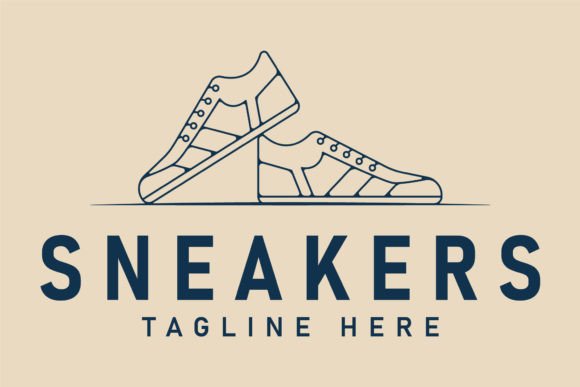
Opening the EPS file in Illustrator, the first impression is one of crisp simplicity. The design captures the classic profile of a sneaker with clean, continuous lines. This isn't a hyper-detailed, photorealistic shoe; it's an icon. That visual personality—modern, minimalist, and slightly nostalgic—is its greatest strength for embroidery. A complex design with tons of interior detail can become a muddy, dense stitch-out, but this line art approach promises clarity. The mood it creates is active, accessible, and universally understood, making it a fantastic fit for sporty apparel, casual gifts, or branding for a small business in the athletic or lifestyle space.
For my running club tote bags, this icon feels right. It’s not overly masculine or feminine, it’s just a sneaker—a symbol of movement and casual style that the members will instantly identify with. In my mind, I’m already picturing it stitched in a contrasting thread color on a sturdy canvas bag. The simplicity suggests it would also work beautifully on a baby's romper for a sporty family, a patch for a repaired backpack, or as a repeated motif on the corner of a kitchen towel for a fun, modern kitchen.
Where This Design Stitches Up Beautifully
Thinking through real embroidery situations, the Sneaker Shoe Logo Line Art Icon Vector shines on projects where clean lines are paramount. On custom apparel like sweatshirts and t-shirts, the open, uncluttered lines will translate well into satin stitch borders or a crisp running stitch outline, depending on the machine embroidery file parameters. For a tote bag or apron, the icon can be sized up to become a bold, central statement without losing integrity. As a small accent on a cap’s curved surface, its single-line construction should handle the curvature better than a design with complex fill areas.
This is also a prime candidate for creating embroidered patches or for use in printable mockups for digital product sellers. The vector nature means it can be scaled without quality loss, allowing crafters to offer the design across a range of product previews—from a tiny pin to a large pillow cover. For holiday gifts, like personalized gym bags or activewear, it’s a recognizable and friendly graphic. In a boutique setting, a series of tea towels or pillow covers embroidered with this sneaker icon would convey a cohesive, handmade aesthetic.
Practical Considerations for Stitching Success
While the design is promising, its successful translation to thread depends on careful application. The "line art" nature is a double-edged sword. On textured fabrics like some sweaters or looped towels, very fine lines might break up or lose clarity. On dark fabrics, the contrast needs to be absolute; a thin line in a slightly off-color thread could vanish. The most crucial point is scale. Embroidering this at a very small size, perhaps on a baby item’s cuff, could force those lines to become too fine for the machine to execute cleanly, risking thread breaks or a jagged appearance.
There’s no intricate fill stitch area here, which is good for stitch density management on thinner or stretchy fabrics like t-shirts, but it means the visual weight comes entirely from the outline. You must choose thread colors with high impact. I’d strongly advise testing the converted embroidery file on scrap fabric first, especially if you plan to use it on a challenging substrate like a stretchy cap or a layered garment collar. Check how the small details, like the shoe’s tongue or lace area, render. Does the stitch-out feel balanced and complete?
Embroidery Designer Notes for Real-World Use
Before committing this to a client project or your craft business merchandise, run through this checklist. Test the design in both black and white mockups to judge its silhouette power. Always use a proper stabilizer suited to your final fabric—the clean lines depend on a stable base. Review the stitch density in your embroidery software; a line art design can sometimes be set with too many closely packed stitches, making it unnecessarily stiff. Confirm your hoop size can accommodate the design at the scale you envision, allowing for clean pivots at the corners.
Since the product description mentions vector-based designs can be changed as you wish, consider if you need to adapt it. Perhaps you want to simplify a curve further for stitching, or combine it with text for a personalized gift. Remember the note about non-editable text, so any added lettering would be your own. Crucially, as an Etsy seller or small shop owner, you must confirm the licensing terms for this graphic asset before selling finished embroidered items or commercial embroidery projects. The provided file formats—EPS, SVG, PDF, JPG—are ideal for flexibility in both digital preview creation and machine file conversion, but the license for the end product is what protects your business.
The Final Stitch: Value and Customer Perception
Using the Sneaker Shoe Logo Line Art Icon Vector effectively can elevate your finished product. Its clean execution on, say, a high-quality sweatshirt, adds a sense of professionalism and deliberate design. It feels less like a random clip-art and more like a chosen brand element, which builds customer trust in your handmade presentation. For a personalized gift, it’s highly giftable—it’s a fun, neutral symbol that doesn’t require deep personalization to feel special. Its recognition factor means it communicates quickly, engaging buyers who see it on your Etsy listings or craft fair table.
In the end, this icon is a versatile tool in your embroidery design toolkit. It belongs on projects where a touch of casual, active style is needed. My running club tote bags will benefit from its crisp, friendly vibe. By paying attention to scale, fabric choice, and thread contrast, you can ensure this simple sneaker design stitches out as a clear, valuable accent on your next embroidery project, whether it’s for a client, your shop, or a perfect handmade gift.