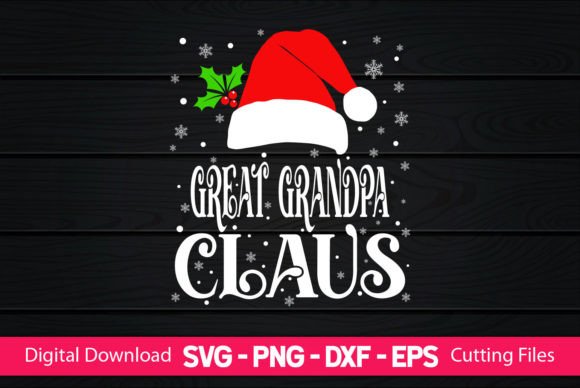
A Designer's Review of Great Grandpa Claus for Embroidery Projects
When you open a new embroidery file, the first question you ask is not about the technical specs—it's about the feeling. Great Grandpa Claus immediately brings a specific mood to the table. This isn't the booming, jolly Santa of the mall. This is a quieter, more personal figure, one steeped in nostalgia and warmth. The design’s character suggests a grandfatherly figure, perhaps a bit more solemn and traditional, which creates a distinct emotional space compared to more generic holiday graphics.
The Mood and the Market: Where This Design Naturally Belongs
This visual personality tells me exactly where it will shine. Great Grandpa Claus feels perfectly suited for personalized gifts and handmade products that aim for a touch of heritage or familial warmth. Imagine stitching this onto a set of holiday pillow covers for a cozy living room, or onto a kitchen towel as a gift that feels considered and traditional. For small business owners, especially those selling in boutique settings or through Etsy shops focusing on heirloom-style items, this design could become a staple. It elevates a simple product, like a tea towel or a blanket, into something with a story.
Thinking about commercial embroidery projects for clients, this isn’t a mass-market, high-volume graphic. It’s a design for special orders. A client wanting a custom embroidered sweatshirt as a meaningful grandfather-themed holiday gift would respond to this deeply. The craftsmanship of the embroidery would complement the design’s inherent character, building customer trust through a product that feels carefully chosen and expertly made.
From Digital File to Stitched Fabric: The Practical Transition
My next step as a professional designer is to envision how this digital design translates into physical thread. The shape and layout of Great Grandpa Claus appear to have a clear, definable outline, which is excellent for clean satin stitch borders or even as a potential applique design base. The level of detail seems balanced—not overly dense, which is a relief for both stitch time and fabric integrity. This suggests it will perform well on a variety of substrates.
For real-life embroidery situations, I’d start by testing it on a mid-weight cotton, like you’d use for a tote bag or an apron. The design’s theme fits both perfectly. A sturdy tote bag with Great Grandpa Claus embroidered on the front becomes a reusable holiday carry-all with charm. On an apron, it creates a wonderful holiday kitchen vibe. Baby clothes or nursery decor items are another natural fit, provided the design size is scaled appropriately—it conveys a gentle, protective grandfatherly feeling perfect for a holiday-themed baby blanket.
Where Caution is Needed: Fabric, Scale, and Stitch Integrity
No design is universally perfect, and practical judgment means identifying its limits. The potential areas for careful handling with Great Grandpa Claus would likely involve small details. Any fine line work, tiny facial features, or delicate decorative accents within the design will need special attention on certain fabrics.
Stretchy fabrics like on standard t-shirts require robust stabilizer and possibly a reduction in overall stitch density to prevent puckering. Embroidering on dark fabric backgrounds demands a thoughtful thread color strategy—you might need to preview it in a black-and-white mockup to ensure the contrast levels hold up. Curved surfaces like caps can be tricky if the design has very straight, rigid elements; testing on a scrap cap fabric first is essential. For products destined for frequent washing, such as apparel or kitchen items, ensuring the stitch coverage is secure and the design isn’t so dense that it stiffens the fabric is key to longevity.
Designer Notes for a Smooth Embroidery Process
Before committing this to a final project, here’s my checklist. First, always test the embroidery file on a scrap of your target fabric. This reveals everything: how the thread colors interact with the material, whether small details are stitching clearly, and the actual required hoop size. Second, assess the stitch density by running a sample; a design that looks simple digitally can sometimes generate surprisingly dense fill stitch areas, affecting production time and fabric feel. Third, consider its application for both personal and commercial projects. The product description notes it's a digital file for cutting machines, but for embroidery, you must confirm the licensing terms before selling finished items—never assume.
For visual appeal and brand consistency, Great Grandpa Claus offers a cohesive look. If your craft business or handmade shop leans towards classic, heartfelt themes, this design reinforces that brand identity. Its giftability is high because it feels specific and thoughtful, not generic. For embroidery designers selling digital embroidery files themselves, this design serves as a strong, thematic asset for printable mockups and product previews, helping engage buyers looking for a holiday design with a softer touch.
The Final Stitch: Adding Value to Your Work
In the end, the value of an embroidery design like Great Grandpa Claus is measured by how it enhances your finished product. It has the potential to turn a basic sweatshirt into a cherished personalized gift, or a simple pillow into standout holiday decor. Its mood encourages a slower, more appreciative look from customers, which in turn reflects the care you put into your embroidery work. For the professional embroiderer, the small business owner, or the hobbyist creating for loved ones, this design provides a solid foundation. It’s a graphic with a clear personality that, when stitched with quality technique and practical foresight, results in a product that feels professional, heartfelt, and beautifully made.