A Designer's Take on the Nice Naughty Sassy Embroidery Design
The First Impression: Playful Sass for a Finished Product
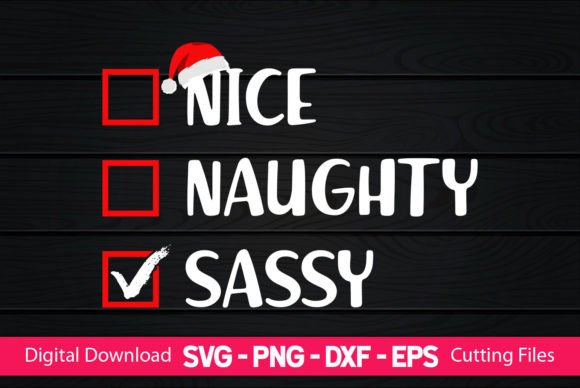
When you first look at the Nice Naughty Sassy design, you get a clear sense of its personality. It’s not overly aggressive, but it has that confident, playful wink—perfect for a product meant to feel personal and a bit cheeky. The layout, from what I can see in the graphics files, suggests a balanced composition. It feels like it would translate well into an embroidery file, with shapes that are likely to stitch out cleanly without too many overly intricate corners that could become problematic under a needle. The theme is universal enough for a wide audience but specific enough to make a statement. This isn’t a generic floral motif; it’s for a specific mood and a specific customer.
The Natural Home for This Design
In my mind, I immediately picture this on a custom apparel item like a lightweight sweatshirt or a fitted cap. The personality of the design lends itself to something worn casually but with intent. I also think it would shine as a small, embroidered patch on a tote bag—a perfect accessory for someone who wants a bit of fun without a full garment commitment. For holiday gifts or personalized products, this could be a hit on a kitchen towel or a pillow cover for a friend with a similar sense of humor. It’s got that giftability factor because it feels tailored to a person’s character.
Real-World Performance Across Different Projects
Let’s talk about how Nice Naughty Sassy would perform in actual embroidery work. For custom apparel like t-shirts and sweatshirts, the design’s apparent boldness would require good stabilizer choice, especially on stretchy fabric. You wouldn’ want the satin stitch areas, if present, to pull or distort. On a sturdy tote bag or an apron, it would likely be very stable and look crisp. For baby clothes or nursery decor, I’d pause—the “naughty” element might not fit the typical client’s vision, so it’s about knowing your market. As a professional designer working on client projects, I’d reserve this for more adult-themed boutique products or craft fair items aimed at a specific, knowing crowd.
For small business merchandise, say in an Etsy listing, this design could be a strong standalone product. Embroidered on a simple tee or cap, it becomes a complete, branded item. Its visual appeal is direct, which helps in digital product previews and printable mockups—it communicates its purpose quickly to a potential buyer. For commercial embroidery projects where you’re producing bulk orders, the key would be ensuring the design doesn’t have overly dense stitch areas that could slow production or wear machines. Without knowing the exact stitch count, I’d advise testing it on scrap fabric first at your intended size.
Where Extra Care is Needed
Some applications require a more cautious approach. If you’re considering very small hoop sizes, the detail level and any tiny lettering in the design might lose clarity. On textured fabrics like certain blankets, the stitch definition could get lost. Dark fabric backgrounds demand high contrast in thread colors to keep the “sassy” message clear and readable. Embroidering on curved surfaces like caps always presents a challenge with alignment and distortion, so a simpler, adaptable design is better—if Nice Naughty Sassy has complex layered elements, it might not be ideal there. Products that need frequent washing, like kitchen towels, require a robust stitch density to hold up; you’d need to check that in your test run.
The Impact on Your Business and Customer
Using a design like this affects more than just the stitch quality. It impacts product value. A clean, well-executed embroidery of Nice Naughty Sassy on a high-quality sweatshirt elevates it from a plain garment to a statement piece, increasing its perceived value. For customer trust and handmade presentation, a flawless stitch-out with no thread breaks or puckering shows professionalism. That builds brand consistency for a small shop that curates a specific, witty aesthetic.
For buyer engagement, this design is a conversation starter. It’s not passive. On a finished product, it will elicit a reaction—a smile or a knowing nod—which is exactly what you want for an item meant to feel personal. That reaction translates into satisfaction and potentially repeat business. For digital product sellers offering the graphics files themselves, providing clear notes on recommended applications for embroidery could add tremendous value and build trust with your fellow makers.
Practical Notes for the Embroidery Designer
Before you commit this to a client’s order or your own craft business stock, do the groundwork. Always test the design on a scrap of your target fabric first. Check thread color contrast against both light and dark backgrounds—maybe even stitch a quick sample in black and white to see the form without color influence. Review the stitch density by looking at the finished test piece; is it too sparse or too thick for the fabric?
Confirm your hoop size can accommodate the design at the scale you want, and inspect any small details for potential thread snags or fill stitch issues. Use the proper stabilizer for your fabric type; a cutaway for stretchy knits, a tear-away for stable woven bags. Crucially, check whether the design and its included file formats come with licensing that permits commercial use for your handmade products or digital embroidery file resale. This information should be clearly provided with the digital file download. Do not assume.
Finally, think about the end product’s life. Will this embroidered patch on a tote bag withstand daily use? Will the design on a baby item—if adapted—be appropriate for the recipient? By thinking through these real-life scenarios, you transform a simple graphics file into a successful, lasting embroidery project that delights your customers and reinforces your reputation as a thoughtful, skilled maker.