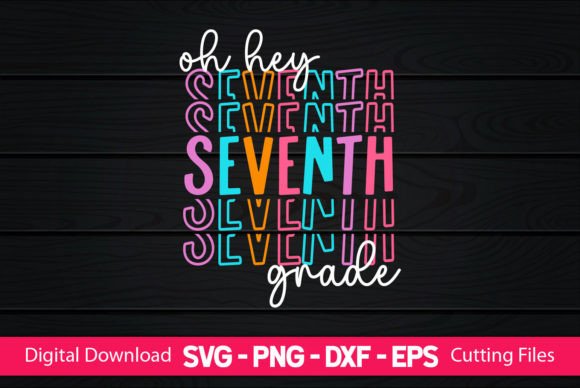
A Real-World Review of Oh Hey Seventh Grade
Let’s talk about Oh Hey Seventh Grade as an actual tool, not just a cute name. You’ve downloaded it, it’s sitting in your software, and you’re about to commit thread, fabric, and time. My job here is to give you the practical, from-the-hoop perspective I use for every embroidery design before it goes onto a client’s sweatshirt or into my small shop’s product line.
The Immediate Mood & First Impression
When I first opened Oh Hey Seventh Grade, the vibe was immediately clear: nostalgic, a bit playful, and straightforward. The layout isn’t overly complex, which is a great sign for embroidery. It suggests a design that wants to be stitched cleanly, without fighting you over tiny, congested details. The theme is specific—it’s for that seventh-grade moment—which gives it a strong personality. This isn’t a generic “hello” design; it’s a conversational piece. It feels like it belongs on something personal, a gift, or a product for someone celebrating that particular, often awkward, chapter of life.
Where This Design Finds Its Natural Home
In my work, a design’s success hinges on finding its right project match. For Oh Hey Seventh Grade, I picture a few real-life scenarios instantly. A custom embroidered tote bag for a teacher stocking up on middle-school supplies. A cozy sweatshirt for a kid (or a nostalgic adult) celebrating the start of the school year. A simple, sweet patch sewn onto a backpack. It would be a charming, understated addition to a baby item for a teacher’s newborn—a subtle nod to the parent’s profession. In a boutique setting, this could be a limited-run kitchen towel or apron for a school-themed gift basket. Its appeal is in its specificity, making it perfect for personalized gifts and niche small shop product offerings.
Performance on Fabric: A Practical Run-through
Moving from screen to stitch is where judgment matters. I mentally run this design through my common project list. On a custom apparel like a t-shirt or sweatshirt, the text-based nature should translate well, assuming the stitch density is reasonable. For a tote bag in canvas, it would hold up nicely to wear. On baby clothes in softer cotton, I’d be mindful of scale—keeping it small and sweet. As an embroidered patch, it could be very effective, especially if the edges are clean.
For holiday gifts or wedding gifts for a teacher couple, stitched onto a pillow cover or blanket, it adds a personal touch without being overly sentimental. In a craft business context, like an Etsy listing for a digital embroidery file, it’s a solid, themed asset. But its real-world performance depends heavily on execution.
Caution Zones: Where to Proceed Carefully
Not every design is for every surface. With Oh Hey Seventh Grade, my immediate notes would be to watch the lettering. If any part of the text is particularly thin or has tiny corners, it could get lost or fray on textured fabrics or stretchy fabric. On dark fabric, thread color contrast is paramount—you’ll need a bright, opaque choice.
I’d avoid very small hoop sizes if the design has any dense areas, as satin stitches can bunch up. Embroidering on a curved surface like a cap requires checking the design’s orientation and stability. And for any product destined for frequent washing—like a tea towel or kids’ apparel—you must ensure the stitch structure is robust and the stabilizer choice is correct to prevent puckering or thread breakage over time.
The Impact on Your Product & Your Customer
When you stitch this design onto a finished product, what does it do? It creates a connection. For a buyer, it’s recognizable and personal, which boosts giftability and engagement. For your handmade product presentation, clean embroidery of a well-chosen design like this builds customer trust and perceived value. It looks intentional, not random.
For a creative entrepreneur, using it consistently across a line of school-themed items can aid brand consistency. It communicates a clear, professional niche. In a commercial embroidery project for a school or organization, it offers a friendly, slightly informal tone that can feel more authentic than overly corporate graphics.
My Embroidery Designer Checklist Before Hooping Up
Before I ever load the machine embroidery design and start a project, I follow a personal routine. For Oh Hey Seventh Grade, I’d advise you to do the same.
- Always test the design on scrap fabric first. Use the same material you plan for the final product.
- Check the actual file in your software. Look at the pathing. Are there any overlapping points or extremely small details that might not stitch cleanly?
- Review stitch density visually in your editor. Too dense can mean stiff fabric; too sparse can look weak.
- Confirm hoop size suitability. Does the design fit comfortably in your intended hoop without needing excessive scaling?
- Inspect the design in both black and white mockups. This helps you visualize it on light and dark fabric backgrounds.
- Plan your thread colors. Does the palette work for your fabric choice? Sometimes a slight adjustment from the digital preview makes a real-world difference.
- Double-check the licensing. Since this is a digital file, understand the terms for using it in personal and commercial projects before selling finished items.
- Consider the fabric texture. A smooth cotton may be ideal; a nubby linen might require a different stabilizer approach.
These steps aren’t just precautionary; they’re how you ensure the design’s potential translates into a stellar finished product.
The Final Take: A Confident Choice for the Right Project
Oh Hey Seventh Grade isn’t a universal design, and that’s its strength. It’s a specific tool for a specific mood. In the hands of a crafter or small business owner who understands its audience—teachers, students, nostalgic parents, school-themed boutiques—it becomes a valuable part of the toolkit. Its visual personality is clear, and its application, when executed with the practical care outlined above, can result in charming, professional-looking embroidery work.
Remember, the best embroidery designs are those that not only look good on screen but also stitch well on fabric and resonate with the person receiving the final item. This design, with its conversational tone and straightforward layout, has a solid chance of doing just that. Your job is to match it with the right project, the right materials, and the right technique. Then, it truly says, “Oh hey,” in the most stitch-perfect way.