A Modern Graphics Library for Analytical Brand Stories
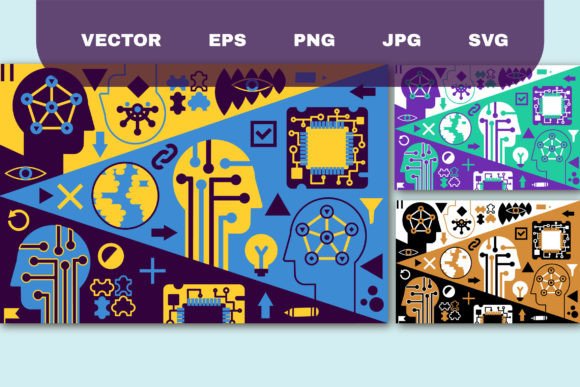
Opening the Artificial Intelligence Set, my first impression is one of clarity and structured thought. This isn't about chaotic, sci-fi energy; it’s a collection of clean, conceptual illustrations that speak to process, intelligence, and solution-seeking. The mood it creates is modern, confident, and quietly innovative. For a local business, it suggests a brand personality that is thoughtful, precise, and trustworthy—a brand that values smart solutions and clear communication.
Where This Graphic Style Finds Its Business Home
While the theme is futuristic, the application can be wonderfully grounded. I immediately pictured using elements from this set for a local specialty coffee roaster. Their brand story is about the precise science of roasting, the analytical selection of beans, and the thoughtful crafting of each blend. These illustrations could become the visual backbone of that narrative. Similarly, a boutique skincare brand focusing on "formulated with intent" or a handmade soap business marketing "consciously crafted batches" could leverage this aesthetic. It feels modern and premium without being cold; it's decorative in a way that supports a message of care and analysis.
Translating Concept into Physical Brand Touchpoints
For a real project, like redesigning the packaging for that coffee roaster, the Artificial Intelligence Set becomes a versatile toolkit. The three color themes offer immediate flexibility for creating a cohesive brand identity across different product lines or seasonal campaigns.
Here’s how I’d deploy these graphics in practical, print-focused applications:
- Product Labels & Packaging Accents: Selective elements can frame the brand name or denote specific roast profiles (light, medium, dark) on coffee bags. The thought and problem-solving signs could subtly adorn the sides of a box, suggesting the craft behind the product.
- Supporting Collateral: Simplified versions of the analytics motifs could form the border of a printed price list or menu sheet in the shop. A single, clean graphic from the set might anchor a thank-you card included with online orders.
- Promotional & Shelf Appeal: For a flyer or poster announcing a new "Reserve Batch," these illustrations provide a hero graphic that communicates exclusivity and research. On the shelf, packaging using these elements stands out by signaling a methodical, quality-focused product.
Building Customer Trust Through Polished Visuals
The true value of a graphic design asset like this for a small business lies beyond decoration. It builds systems. Using a consistent set of illustrations across your packaging design, your social media graphics, and your website banners creates an unmistakable and professional brand identity. This visual consistency leads to better product recognition. A customer seeing the same analytical motif on your Instagram post, your product mockup, and finally on the physical label creates a stronger emotional connection—they feel they understand your brand’s core values. It transforms a simple product into a story, fostering trust through a more polished and intentional presentation.
The Strategic Sweet Spots for Application
In my review, the Artificial Intelligence Set works best as a supporting actor, not the star. Its strength is in accenting and clarifying.
- Product Labels: As a secondary graphic element alongside your logo.
- Packaging Accents: On box sides, bag seals, or as a patterned background on a gift tag.
- Promotional Banners: Providing a conceptual backdrop for text announcing a new product launch.
- Digital Campaigns: As recurring visual themes in a social media series about your brand’s "crafting process."
Areas for Careful Consideration
This style, being inherently decorative and symbolic, should be applied with restraint in certain contexts.
- Very Small Labels: Complex elements may become indistinct and muddy.
- Crowded Layouts: On ingredient-heavy packaging, adding these graphics could compete with vital legibility.
- Legal/Information Areas: Never use them near critical disclaimers or nutritional info where clarity is paramount.
- Ultra-Minimalist Luxury Brands: The aesthetic might conflict with a desire for absolute simplicity.
A Brand Designer’s Practical Checklist Before Use
Before integrating any new asset into commercial design for a client, I follow a hands-on review process. For this set, applied to a real local business branding project, my notes would include:
- Mockup First: Place the graphics on a digital mockup of your actual packaging. Does the scale feel right?
- Check Contrast: Print a test at home on both white and your potential brand color paper. How does it look in black and white?
- Font Pairing Test: View the illustrations beside your chosen brand fonts—serif, sans serif, script. Does the combination uphold your desired mood?
- Competitor Context: Hold your design next to competitor packaging. Does it help you stand out appropriately?
- Editability & Quality: If using SVG files, confirm they are cleanly editable for minor color adjustments. For PNGs, check the transparency edges on different backgrounds.
- The Essential License: Always confirm the commercial license covers physical product sales, client work, and all intended marketing visuals before finalizing any design.
Ultimately, the Artificial Intelligence Set offers a unique path for small businesses whose story is woven with threads of thoughtfulness, process, and modern clarity. It’s a graphic design asset that, when applied strategically, can elevate a brand from simply selling a product to communicating a principled craft. For the creative entrepreneur—the roaster, the formulator, the conscious maker—it provides a visual language to express the intelligence behind their hands.